Preparing Your Building for Seasonal Changes in Conwy


Understanding Seasonal Changes in Conwy
Conwy, with its unique climate, experiences distinct seasonal changes that can impact buildings in various ways. As each season approaches, it is crucial to ensure that your building is well-prepared to handle the challenges that come with these changes. From heavy rainfall in autumn to the frosty mornings of winter, proactive maintenance can prevent long-term damage and costly repairs.
In this guide, we’ll explore practical steps to prepare your building for the seasonal shifts in Conwy, ensuring both safety and efficiency. Whether you're a homeowner or manage a commercial property, these tips will prove invaluable.

Inspecting and Maintaining Your Roof
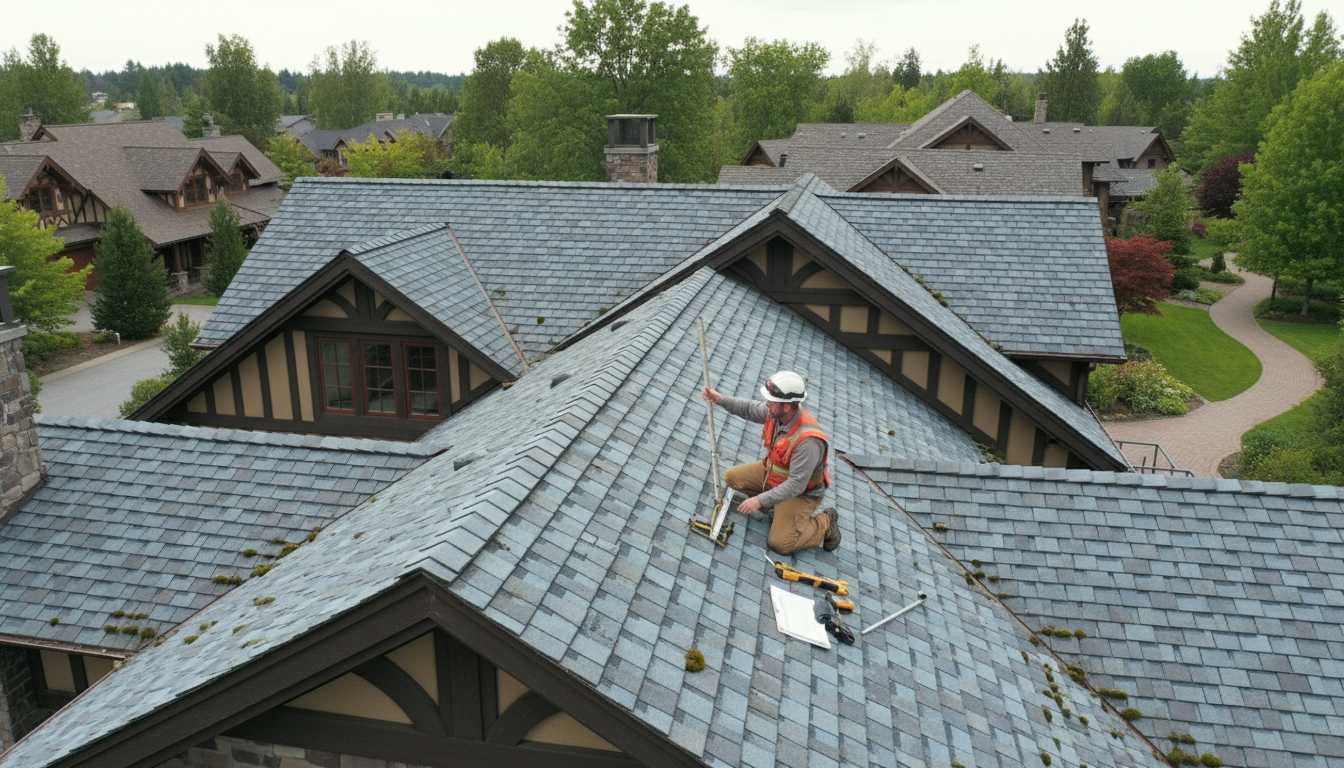
One of the most critical areas to inspect as seasons change is the roof. Conwy's wet and windy conditions can take a toll on roofing materials. Begin by checking for missing or damaged shingles, as these can lead to leaks and water damage. Ensure that gutters and downspouts are clear of debris to facilitate proper water drainage.
Consider hiring a professional roofer for a thorough inspection, especially if your roof is older or has experienced damage in the past. Regular maintenance can extend the life of your roof and prevent expensive repairs.
Preparing Your Heating System for Winter
As temperatures drop, having a reliable heating system becomes essential. Before winter sets in, have your heating system inspected and serviced by a professional. This includes checking the furnace, radiators, and boilers to ensure they are in good working order.
If your building uses a central heating system, bleed radiators to remove trapped air, which can affect their efficiency. Additionally, consider upgrading to a smart thermostat to optimize heating schedules and reduce energy costs.
Enhancing Insulation and Reducing Drafts
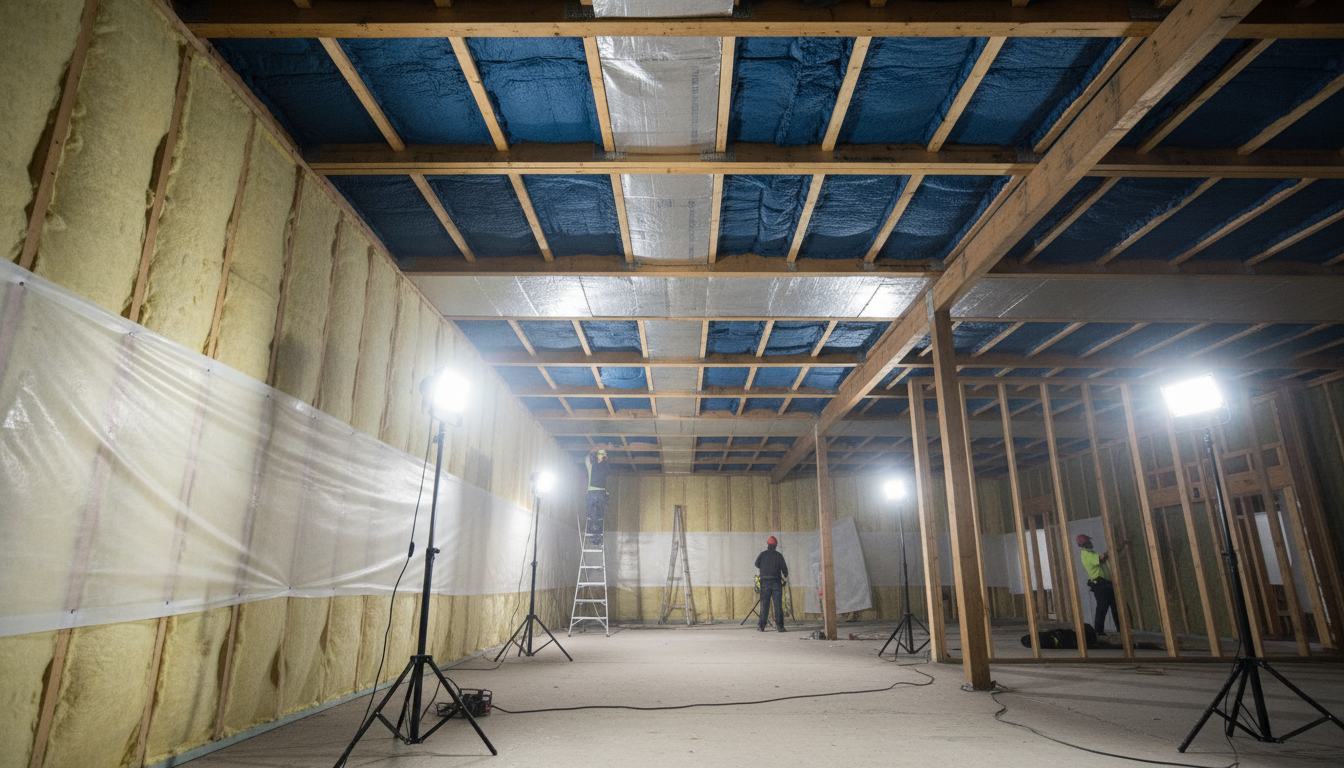
Proper insulation is key to maintaining a comfortable indoor temperature and reducing energy bills. Inspect your building for areas where heat might escape, such as windows, doors, and attic spaces. Weatherstripping and caulk can be effective solutions for sealing drafts.
Adding insulation to walls and attics can also provide significant energy savings. In older buildings, consider an energy audit to identify areas for improvement and maximize insulation efficiency.
Managing Landscaping and Exterior Areas
Seasonal changes affect not only the interior but also the exterior of your building. Trim trees and shrubs around the property to minimize damage from falling branches during storms. Ensure that pathways are clear and safe, particularly as ice and snow become a concern.
- Regularly remove leaves and debris from the lawn and gutters.
- Check for drainage issues to prevent water pooling.
- Consider adding exterior lighting for safety during darker months.
Protecting Pipes from Freezing
Freezing temperatures can cause pipes to burst, leading to costly repairs and water damage. Insulate exposed pipes, particularly those in unheated areas like basements and garages. During extremely cold spells, let faucets drip slightly to prevent freezing.
If your building will be unoccupied for any length of time during winter, ensure the heating is set to a minimum temperature to safeguard against freezing pipes.

Conclusion: Proactive Measures for Seasonal Success
By taking these proactive measures, you can effectively prepare your building for the seasonal changes in Conwy. Regular maintenance not only ensures the safety and comfort of occupants but also preserves the integrity and value of the property.
Remember, the costs of prevention are usually far less than the costs of repairs. Embrace these practices to keep your building in top condition throughout the year.